Publications
2026
-
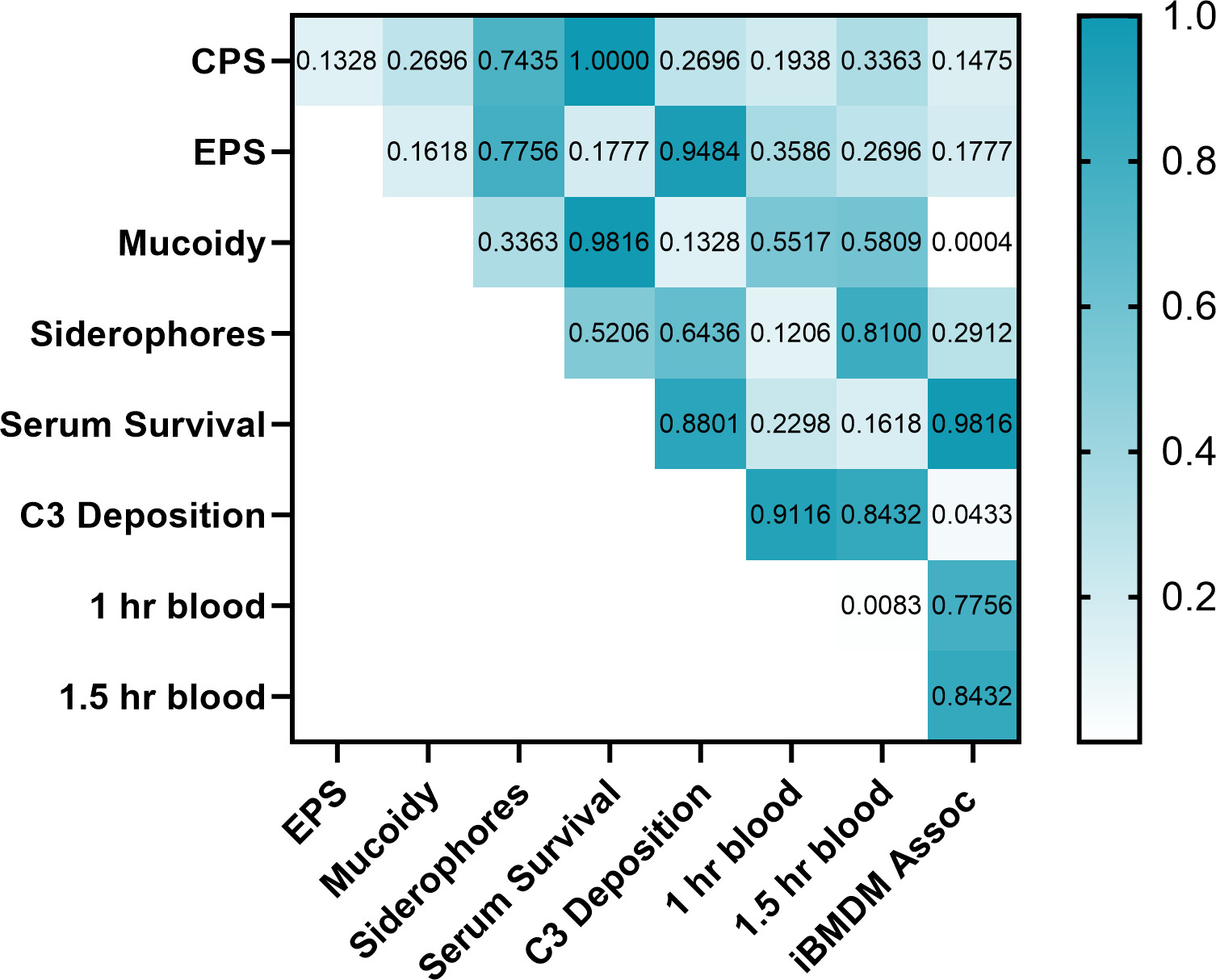 Connections between Klebsiella pneumoniae Bloodstream Dynamics and Serotype-Independent Capsule PropertiesEmily L Kinney, Drew J Stark, Saroj Khadka, and 4 more authorsInfection and Immunity, 2026
Klebsiella pneumoniae bacteremia is a significant public health burden with a 26% mortality rate, which increases when the infecting isolate is multidrug resistant. An important virulence factor of K. pneumoniae is its capsule, the protective polysaccharide coat that surrounds the outer membrane and is made up of individual capsular polysaccharide (CPS) chains. The capsule can differ in composition, abundance, surface attachment, and length of the individual CPS chains. Long, uniform CPS chains are associated with a high level of mucoidy. Typically, mucoidy is produced by the hypervirulent K. pneumoniae (hvKp) pathotype, which is associated with invasive community-acquired infections. In contrast, the classical K. pneumoniae (cKp) pathotype tends to be less mucoid or non-mucoid and is associated with nosocomial infections and multidrug resistance. There are over 80 serotypes of K. pneumoniae capsule. Capsule swap experiments have begun to reveal the effect of serotype on virulence and immune interactions. Clinically, the K2 capsule serotype is a common serotype associated with neonatal bloodstream infections. Both cKp and hvKp can produce K2 capsule, but how K2-encoding cKp and hvKp strains differ in a bloodstream infection remains unknown. To fill this gap in knowledge, we characterized the surface properties of K2 serotype cKp and hvKp bloodstream infection isolates then tested the fitness of these strains in bloodstream infection-related in vitro and in vivo assays. Understanding how K2 cKp and hvKp strains differ in pathogenic potential provides further insights into how K. pneumoniae capsule properties influence bloodstream infection pathogenesis.

2025
-
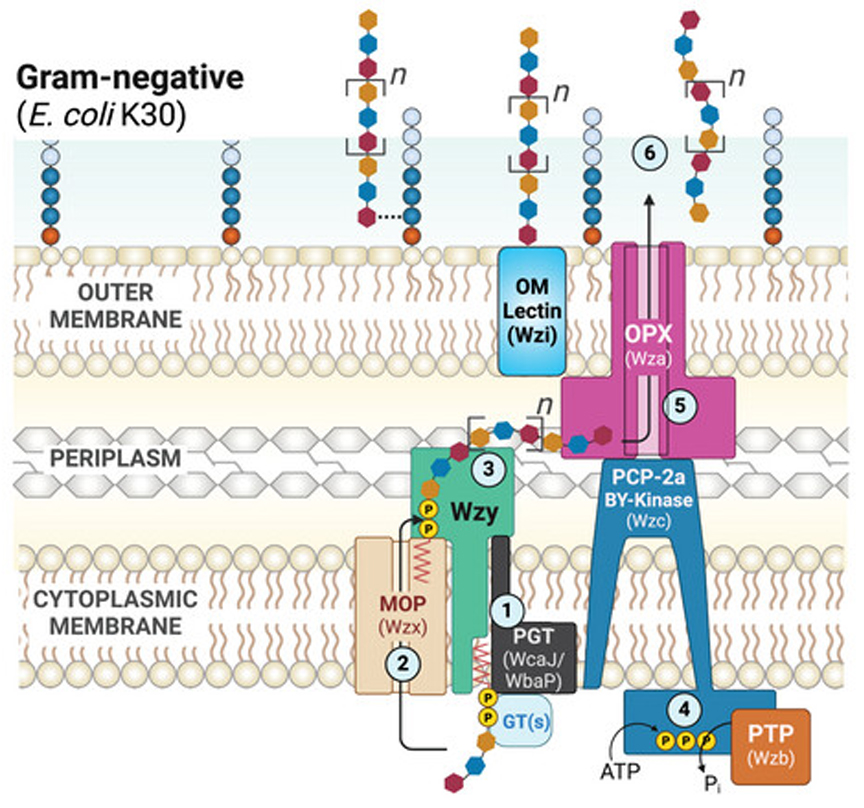 Mechanisms governing bacterial capsular polysaccharide attachment and chain lengthSaroj Khadka, Emily L Kinney, Brooke E Ryan, and 1 more authorAnnals of the New York Academy of Sciences, 2025
Capsular polysaccharides (CPSs) are high-molecular weight glycopolymers that form a capsule layer on the surface of many bacterial species. This layer serves as a crucial barrier between bacteria and their environment, protecting them from host immune responses and environmental stressors while facilitating adaptation to host niches. The capsule also affects other critical virulence factors of plant and human pathogens such as biofilm production and exchange of antimicrobial-resistance genes. Bacterial pathogens modulate several CPS properties including abundance, chain length, and cell surface retainment to optimize niche-specific fitness. CPS composition varies greatly among bacterial species due to differences in sugar units comprising the polymer. Despite the diversity in composition, three conserved CPS biosynthetic systems are common across bacterial species. Although less explored than CPS polymerization and export, the processes of chain length control and attachment are also broadly conserved among bacterial species. Here, we discuss the common strategies that bacteria use to retain CPS to their cell surface and the mechanisms by which bacteria define and control CPS chain length. Additionally, we highlight the outstanding questions related to these processes, identifying areas where future research is needed to gain better insights into these crucial CPS systems.
-
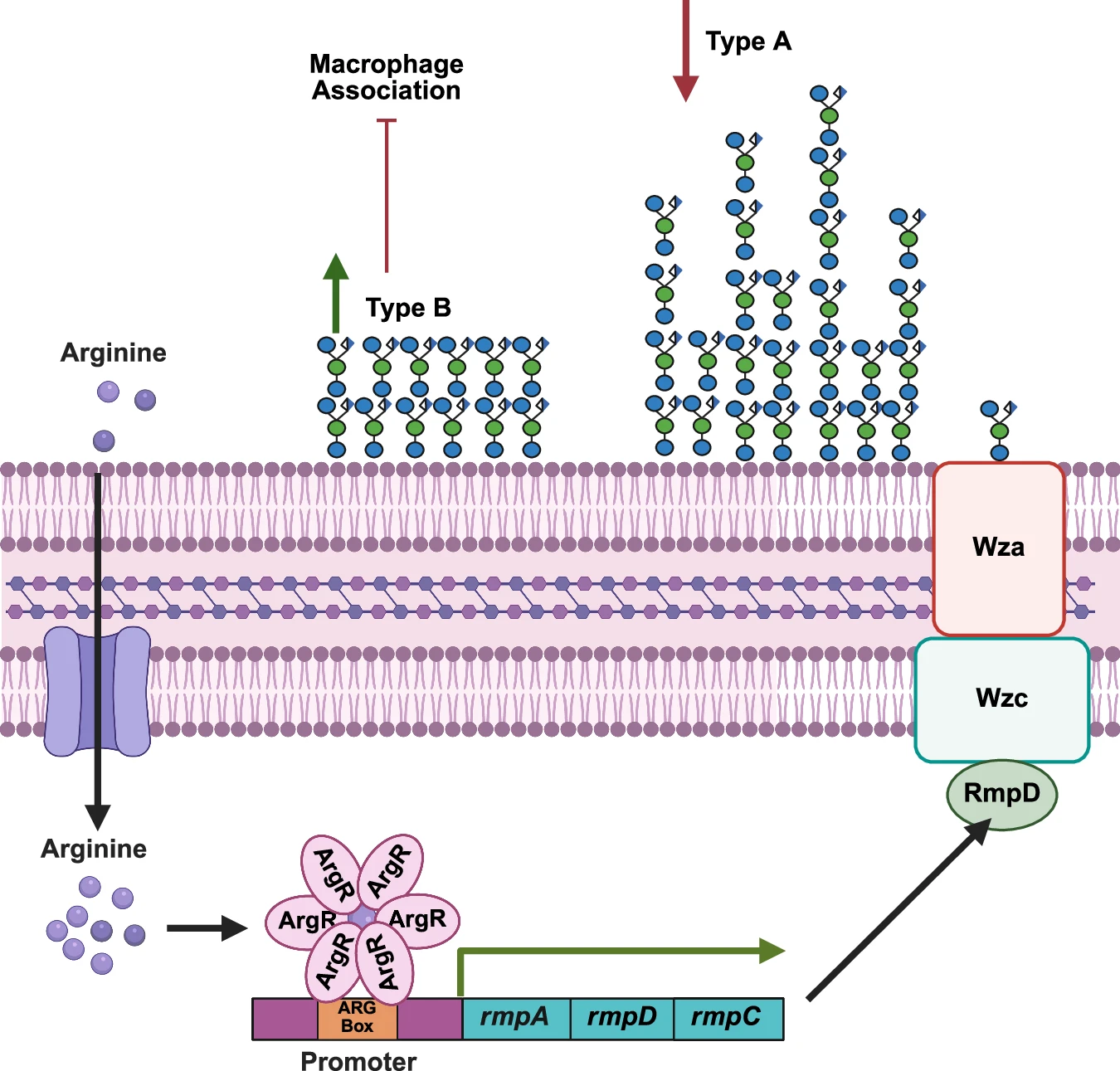 Arginine regulates the mucoid phenotype of hypervirulent Klebsiella pneumoniaeBrooke E Ryan, Caitlyn L Holmes, Drew J Stark, and 6 more authorsNature Communications, 2025
Hypervirulent Klebsiella pneumoniae causes severe community-acquired infections, with its mucoid phenotype resulting from altered capsular polysaccharide chain length. While both environmental and genetic factors influence mucoidy, the cues regulating it remain unclear. Here, we show that casamino acids enhance mucoidy without affecting total capsular polysaccharide levels. We show that arginine is both necessary and sufficient in stimulating mucoid expression, activating the rmpADC promoter and increasing rmpADC transcript levels. The arginine regulator, ArgR, is crucial in this process; deleting argR reduces mucoidy and increases capsule chain length diversity. ArgR directly regulates the rmpADC promoter by binding to the ARG box. Loss of argR in vitro increases macrophage association and reduces competitive fitness in lungs, suggesting that ArgR influences adherence and fitness in the lung. Arginine-dependent regulation of mucoidy is conserved in hypervirulent K. pneumoniae isolates, suggesting that this regulatory mechanism broadly controls bacterial cell surface adaptations.
-
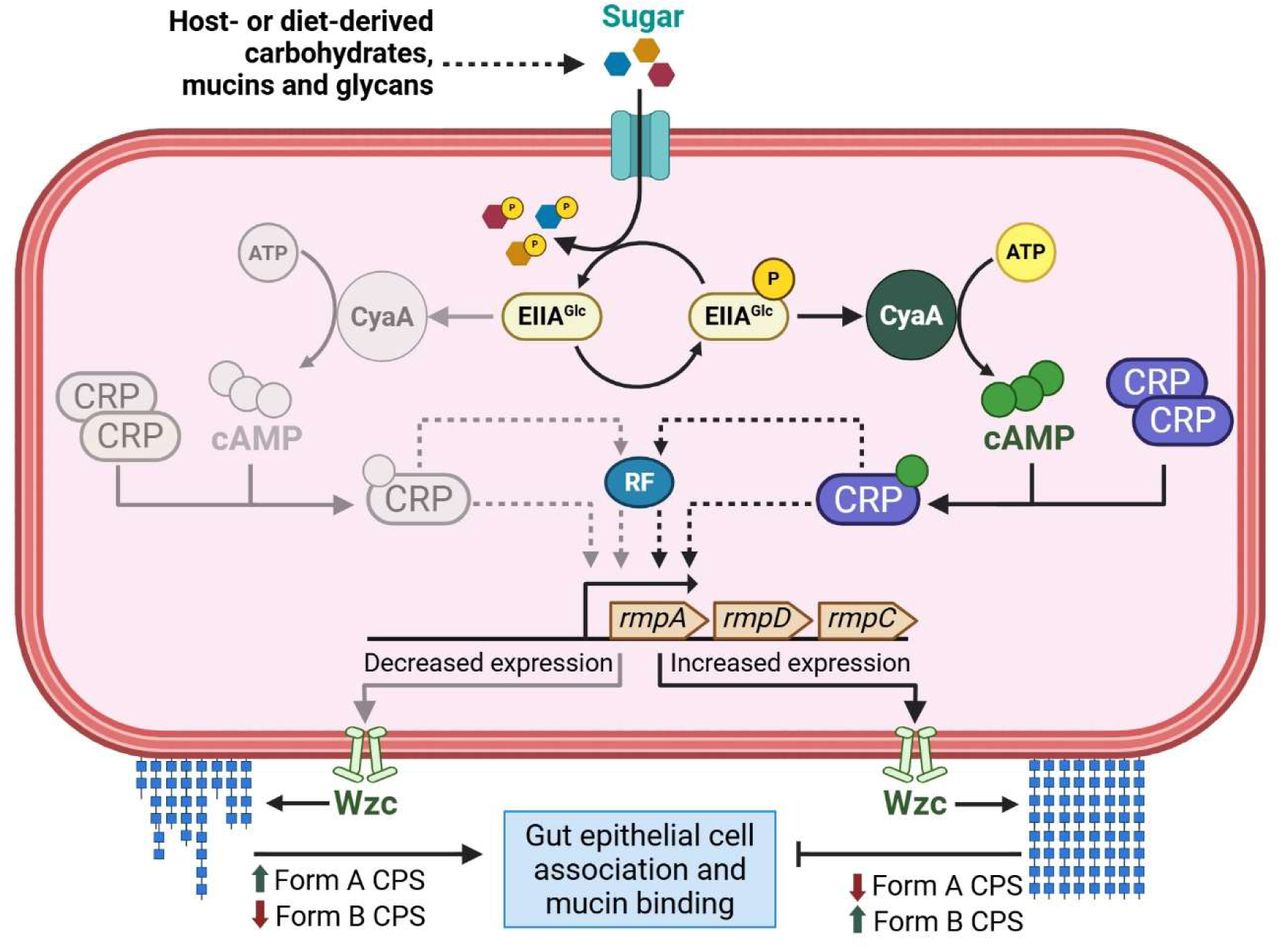 Sugar Import Suppresses Klebsiella pneumoniae Mucoidy in cAMP-CRP-dependent MannerSaroj Khadka, Gabriella Gates, Drew J Stark, and 2 more authorsbioRxiv, 2025
Klebsiella pneumoniae causes over 700,000 global deaths annually and this number continues to rise due to increasing antimicrobial resistance. Hypervirulent K. pneumoniae (hvKp) often causes severe invasive infections in community and hospital settings, typically originating from gut colonization. Capsular polysaccharide (CPS) and the associated features are a key hvKp virulence factor. Altering CPS properties, such as mucoidy, in response to environmental cues enhances K. pneumoniae fitness. Although several physical and nutrient cues influence mucoidy, the molecular mechanisms by which host-relevant signals, such as sugars, regulate this key CPS property remain undefined. Here, we show that sugar import, not catabolism, broadly suppresses hvKp mucoidy via cAMP-CRP signaling. Sugars suppress mucoidy by decreasing rmpADC promoter activity and the expression of the mucoidy regulator, rmpD. Moreover, this sugar-dependent regulation is conserved across multiple hvKp strains. hvKp associates with gut mucin and gut epithelial cells at a greater frequency when in a non-mucoid state. Together, our results suggest that sugar import broadly suppresses hvKp mucoidy and increases bacterial association to host cells.


2024
-
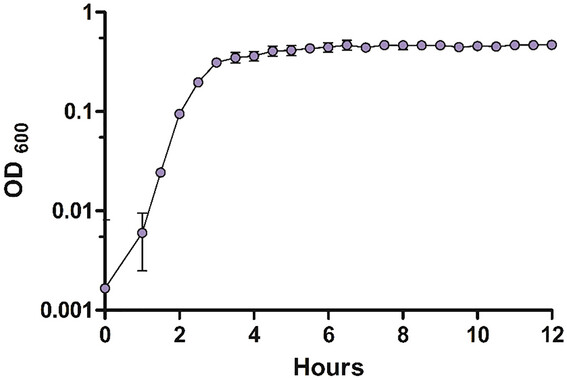 Cultivation and genomic DNA extraction of Klebsiella pneumoniaeDrew A Pariseau, Brooke E Ring, Saroj Khadka, and 1 more authorCurrent protocols, 2024
Klebsiella pneumoniae is a Gram-negative, rod-shaped bacterium of medical significance. It typically exists as part of the normal flora of the human intestine but can cause severe infections in the healthcare setting due to its rapid acquisition of antibiotic resistance. Cultivating and extracting genomic DNA from this bacterium is crucial for downstream characterization and comparative analyses. To provide a standardized approach for growing K. pneumoniae in the laboratory setting, this collection of protocols provides step-by-step procedures for routine culturing, generating growth curves, storing bacteria, and extracting genomic DNA.

2023
-
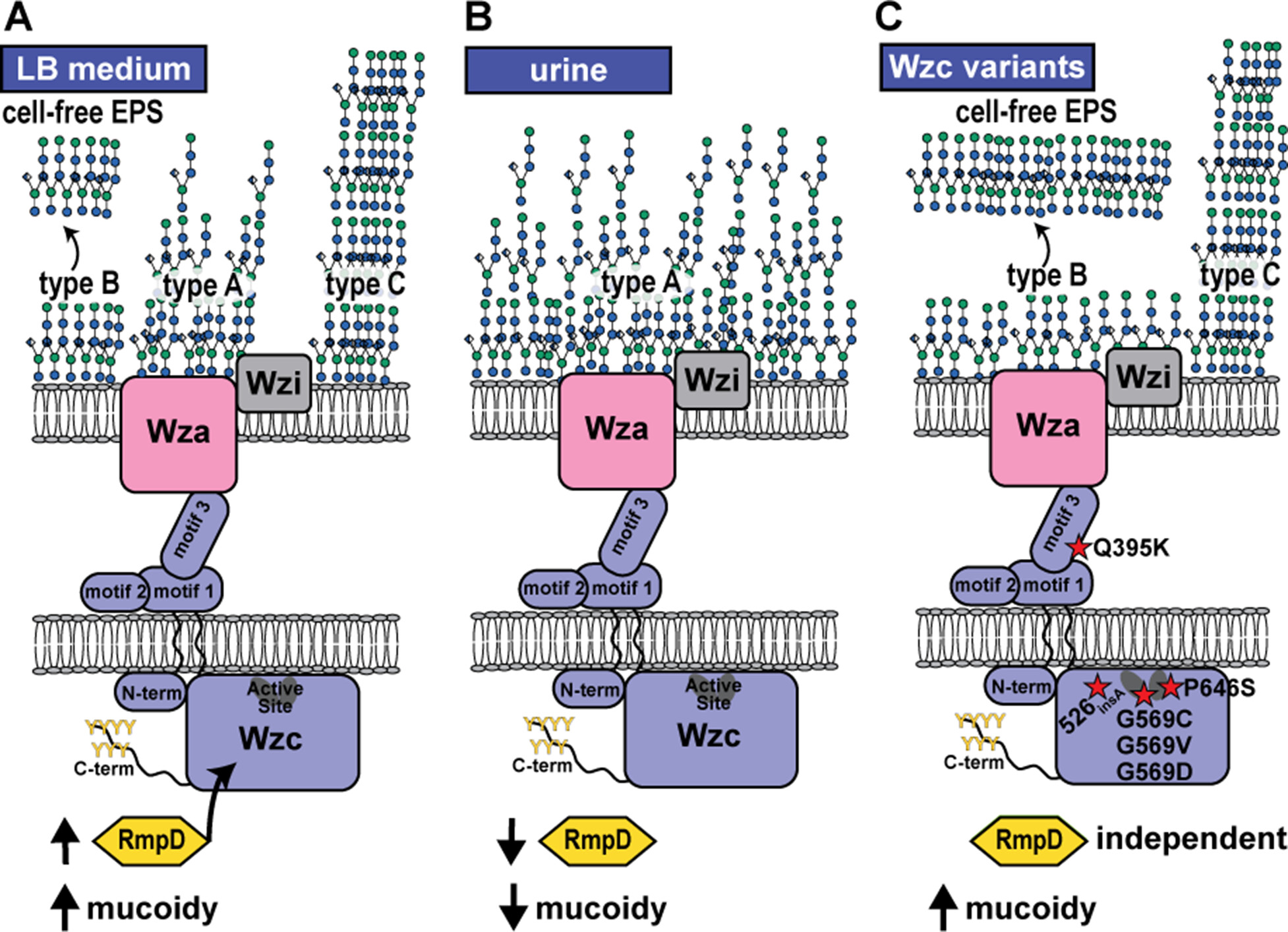 Urine-mediated suppression of Klebsiella pneumoniae mucoidy is counteracted by spontaneous Wzc variants altering capsule chain lengthSaroj Khadka, Brooke E Ring, Ryan S Walker, and 5 more authorsMsphere, 2023
Klebsiella pneumoniae is a hospital-associated pathogen primarily causing urinary tract infections (UTIs), pneumonia, and septicemia. Two challenging lineages include the hypervirulent strains, causing invasive community-acquired infections, and the carbapenem-resistant classical strains, most frequently isolated from UTIs. While hypervirulent strains are often characterized by a hypermucoid phenotype, classical strains usually present with low mucoidy. Since clinical UTI isolates tend to exhibit limited mucoidy, we hypothesized that environmental conditions may drive K. pneumoniae adaptation to the urinary tract and select against mucoid isolates. We found that both hypervirulent K. pneumoniae and classical Klebsiella UTI isolates significantly suppressed mucoidy when cultured in urine without reducing capsule abundance. A genetic screen identified secondary mutations in the wzc tyrosine kinase that overcome urine-suppressed mucoidy. Over-expressing Wzc variants in trans was sufficient to boost mucoidy in both hypervirulent and classical Klebsiella UTI isolates. Wzc is a bacterial tyrosine kinase that regulates capsule polymerization and extrusion. Although some Wzc variants reduced Wzc phospho-status, urine did not alter Wzc phospho-status. Urine does, however, increase K. pneumoniae capsule chain length diversity and enhance cell-surface attachment. The identified Wzc variants counteract urine-mediated effects on capsule chain length and cell attachment. Combined, these data indicate that capsule chain length correlates with K. pneumoniae mucoidy and that this extracellular feature can be fine-tuned by spontaneous Wzc mutations, which alter host interactions. Spontaneous Wzc mutation represents a global mechanism that could fine-tune K. pneumoniae niche-specific fitness in both classical and hypervirulent isolates.
-
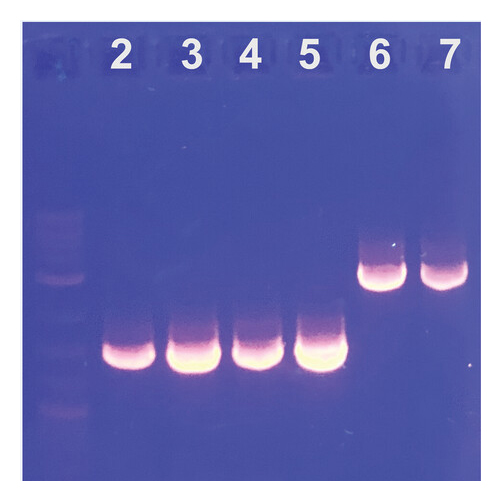 Genetic manipulation of Klebsiella pneumoniaeBrooke E Ring, Saroj Khadka, Drew A Pariseau, and 1 more authorCurrent protocols, 2023
Klebsiella pneumoniae is a Gram-negative, rod-shaped bacterium commonly found in the human intestine. Although it typically exists as part of the normal flora, it can also cause healthcare-associated infections with severe consequences. Understanding the specific genes responsible for its virulence through genetic manipulation is crucial for potential therapeutic interventions. However, manipulating K. pneumoniae presents challenges due to its exopolysaccharide capsule. This article presents a comprehensive collection of protocols designed to facilitate the genetic manipulation of K. pneumoniae. By following these protocols, researchers will acquire the necessary skills to prepare electrocompetent cells, utilize electroporation for efficient plasmid DNA introduction, construct isogenic mutants using the λ Red recombinase system, and generate a complementation vector for restoring the phenotypic traits of knockout strains. These protocols provide valuable tools and techniques to navigate the intricacies associated with studying and modifying K. pneumoniae.
-
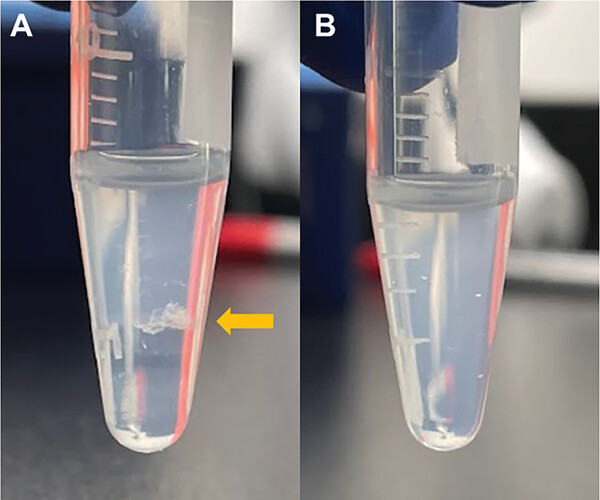 Characterization of Klebsiella pneumoniae extracellular polysaccharidesSaroj Khadka, Brooke E Ring, Drew A Pariseau, and 1 more authorCurrent protocols, 2023
Klebsiella pneumoniae is a clinically significant, Gram-negative pathogen in which the production of extracellular polysaccharides is a key virulence factor. Extracellular polysaccharides such as the capsule and its mucoviscosity play a significant role in K. pneumoniae infection. In this article, we explain several standard protocols used to characterize the extracellular polysaccharides of K. pneumoniae. Several of these protocols are adapted specifically for K. pneumoniae and describe methods to purify and quantify the extracellular polysaccharide of K. pneumoniae. We also present a standardized protocol to quantify K. pneumoniae mucoviscosity, a unique feature of K. pneumoniae extracellular polysaccharide. These protocols will help create uniformity in standard protocols used in K. pneumoniae extracellular polysaccharide studies.


2021
-
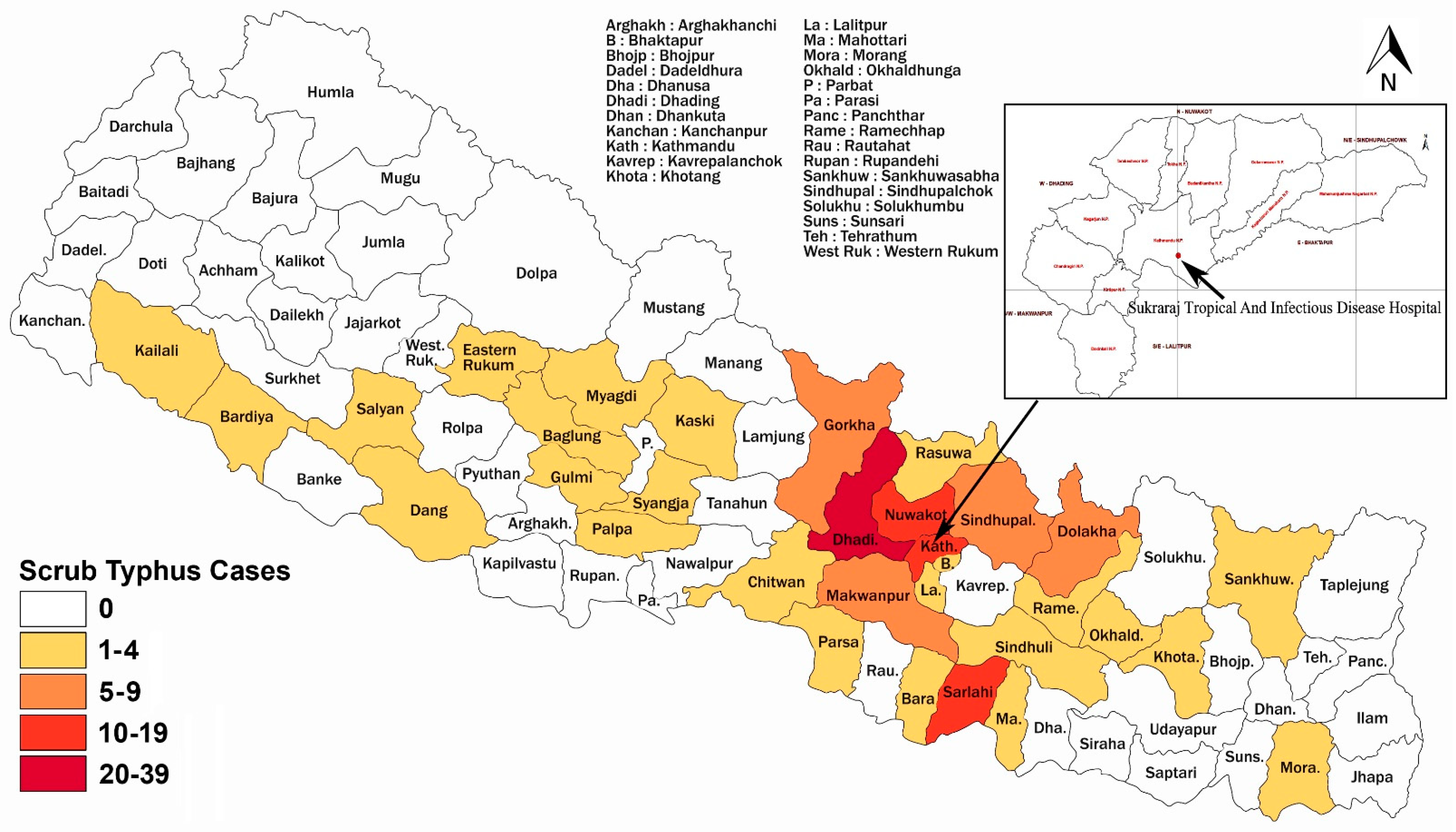 Seroprevalence and clinical features of scrub typhus among febrile patients attending a referral hospital in Kathmandu, NepalAnil Pokhrel, Binod Rayamajhee, Saroj Khadka, and 7 more authorsTropical medicine and infectious disease, 2021
(1) Background: Scrub typhus (ST) is endemic to Nepal. It is often underdiagnosed and misdiagnosed due to non-specific clinical presentation coupled with limited microbiological facilities, leading to adverse clinical outcomes. This study aimed to assess the seroprevalence of scrub typhus in febrile patients attending Sukraraj Tropical and Infectious Disease Hospital (STIDH), Nepal, from August 2018 to April 2019. (2) Materials and Method: Blood/serum samples and clinical and demographic data of adult febrile patients (≥19 years) who attended or were referred to the hospital were collected after obtaining written informed consent from the participants excluding immunocompromised individuals. Collected blood/serum samples were subjected to hematological, biochemical, and serological tests. A serological test for scrub typhus was performed using the ImmuneMed scrub typhus rapid diagnostic test kit. Data generated were analyzed using SPSS software version 24.0. (3) Results: Amongst the 2070 febrile patients, 462 (22.3%) were seropositive to at least one etiological agent of febrile illnesses (scrub typhus: 253 cases, dengue: 101 cases, leptospirosis: 9, brucellosis: 52, malaria: 9 and kala-azar: 20 cases). Scrub typhus accounted for 12.2% (n = 253) of total febrile illnesses followed by dengue (4.9%, n = 101). Mixed seropositivity of scrub typhus with dengue, brucellosis, and typhoid was found in 12 (0.6%), 9 (0.4%), and 5 (0.2%) cases, respectively. Among 253 scrub typhus patients, 53.4% were female. Among the 154 patients, the most common symptoms were fever (100%), headache (79.2%), sweating (70.1%), breathing difficulty (51.3%), redness of the eye (43.5%), and pathognomonic eschar was observed in 9.1% patients. Fifty percent of scrub typhus patients had low platelet count and >30% of patients had an elevated level of liver enzymes such as serum glutamic oxaloacetic transaminase (SGPT) and serum glutamic pyruvic transaminase (SGOT). (4) Conclusion: Scrub typhus is a considerable cause of febrile illness in Nepal. Females apparently have a higher chance of acquiring scrub typhus. ST presents nonspecific clinical presentation. The diagnostic dilemma of typhus patients can be minimized by the early monitoring of ST-associated symptoms. The country’s health system needs to be strengthened for early outbreak detection, and immediate response actions against scrub typhus to control the future outbreak of ST.
-
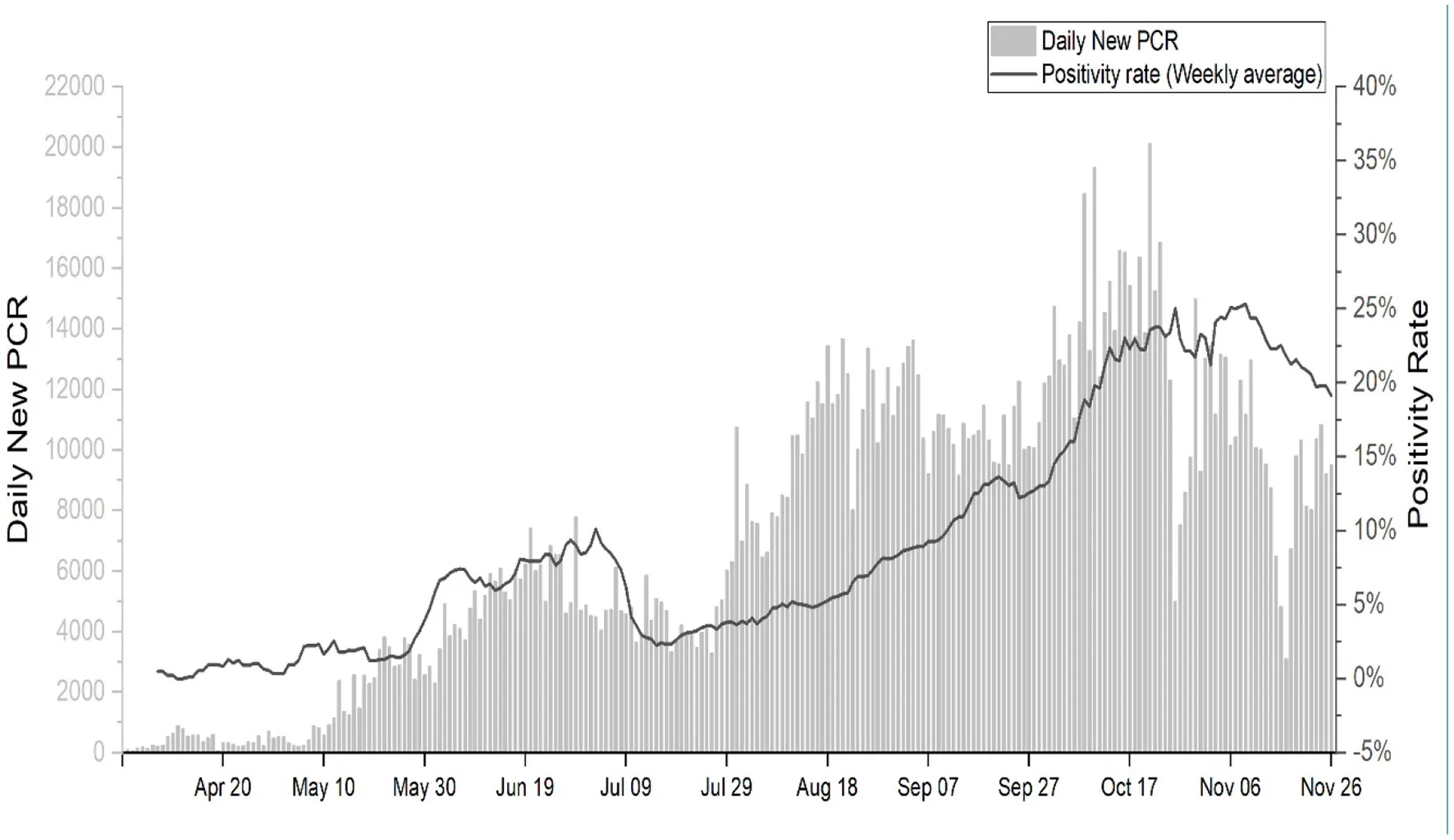 How well the government of Nepal is responding to COVID-19? An experience from a resource-limited country to confront unprecedented pandemicBinod Rayamajhee, Anil Pokhrel, Gopiram Syangtan, and 7 more authorsFrontiers in public health, 2021
COVID-19, caused by SARS-CoV-2, was first reported in Wuhan, China and is now a pandemic affecting over 218 countries and territories around the world. Nepal has been severely affected by it, with an increasing number of confirmed cases and casualties in recent days, even after 8 months of the first case detected in China. As of 26 November 2020, there were over 227,600 confirmed cases of COVID in Nepal with 209,435 recovered cases and 1,412 deaths. This study aimed to compile public data available from the Ministry of Health and Population (MoHP), Government of Nepal (GoN) and analyse the data of 104 deceased COVID-19 patients using IBM SPSS (Version 25.0). Additionally, this study also aimed to provide critical insights on response of the GoN to COVID-19 and way forward to confront unprecedented pandemic. Figures and maps were created using the Origin Lab (Version 2018) and QGIS (Version 3.10.8). Most of the reported cases were from Bagmati Province, the location of Nepal’s capital city, Kathmandu. Among deceased cases, >69% of the patients were male and patients ≥54 years accounted for 67.9% (n = 923). Preliminary findings showed respiratory illness, diabetes, and chronic kidney diseases were the most common comorbid conditions associated with COVID-19 deaths in Nepal. Despite some efforts in the 8 months since the first case was detected, the government’s response so far has been insufficient. Since the government eased the lockdown in July 2020, Nepal is facing a flood of COVID-19 cases. If no aggressive actions are taken, the epidemic is likely to result in significant morbidity and mortality in Nepal. The best way to curb the effect of the ongoing pandemic in a resource-limited country like Nepal is to increase testing, tracing, and isolation capacity, and to set up quality quarantine centers throughout the nation. A comprehensive health literacy campaign, quality care of older adults and those with comorbidity will also result in the effective management of the ongoing pandemic.
-
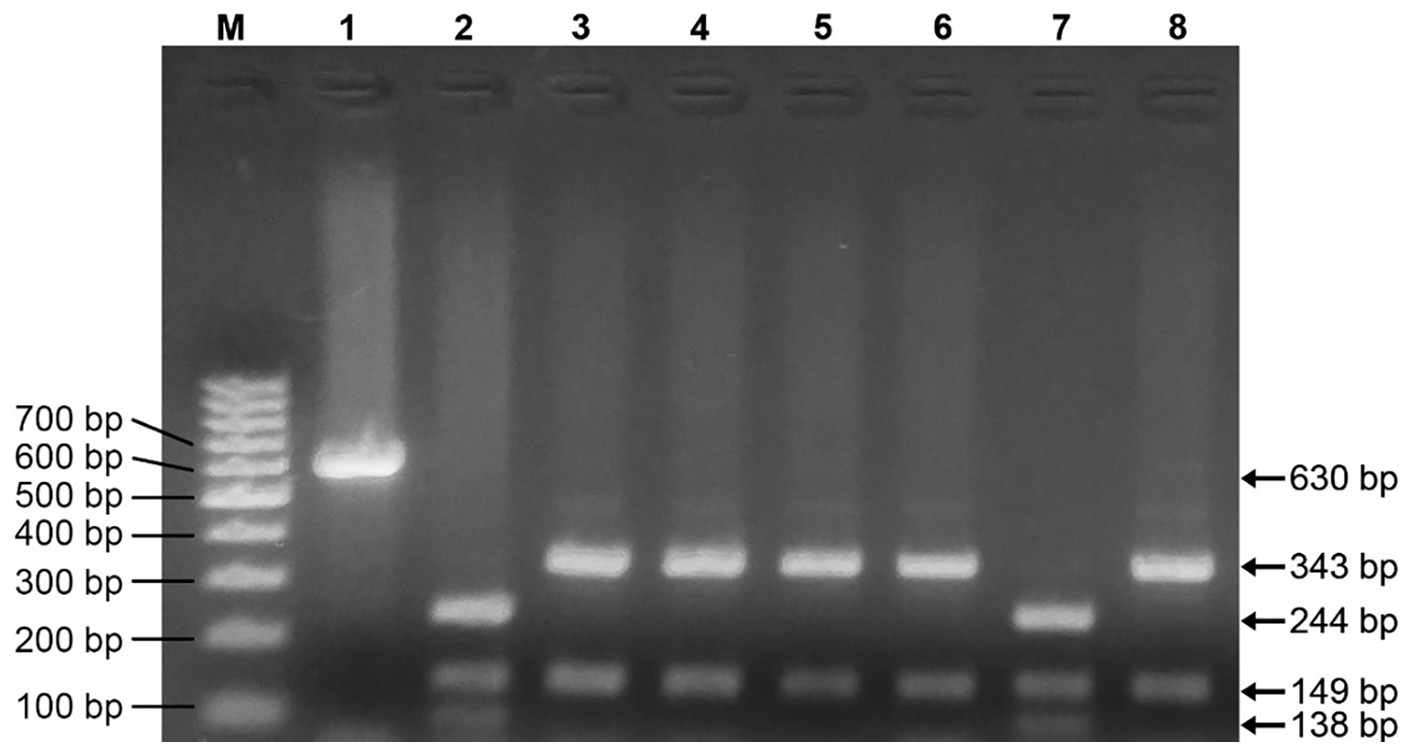 Antimicrobial resistance in Salmonella Typhi isolated from a referral Hospital of Kathmandu, NepalSaroj Khadka, Basudha Shrestha, Anil Pokhrel, and 3 more authorsMicrobiology insights, 2021
PURPOSE: The morbidity and mortality due to typhoid fever can be significantly reduced with the use of effective antibiotics. At present, fluoroquinolones, third generation cephalosporins, and azithromycin are widely used to treat typhoid fever. However, changing antibiotic susceptibility among Salmonella Typhi and Salmonella Paratyphi poses a particular challenge to the therapeutic management of enteric fever. The objective of this study was to assess the antibiotic susceptibility pattern of Salmonella Typhi isolates. PATIENTS AND METHODS: A total of 706 blood specimens were collected from febrile patients attending the outpatient department of Kathmandu Model Hospital during June to September, 2018. The antibiotic susceptibility testing for 11 different antibiotics (nalidixic acid, ciprofloxacin, ofloxacin, levofloxacin, cefixime, ceftriaxone, cefotaxime, azithromycin, cotrimoxazole, chloramphenicol, and amoxicillin) was performed by disk diffusion method. Furthermore, minimum inhibitory concentration (MIC) values of ciprofloxacin, ofloxacin, and azithromycin were determined by agar dilution method. Mutation at gyrA ser83 associated with reduced susceptibility to fluoroquinolones was determined by PCR-RFLP. RESULTS: Out of 706 blood samples, 6.94% (n = 49) were culture positive for Salmonella enterica (S. Typhi, n = 46). It was revealed that 97.8% S. Typhi isolates were susceptible to conventional first-line antibiotics (ampicillin, chloramphenicol, and cotrimoxazole), 97.3% to cephalosporins and 95.7% to azithromycin. S. Typhi were either resistant or intermediately susceptible to fluoroquinolones: 97.8% to ciprofloxacin, 91.3% to ofloxacin, and 89.1% to levofloxacin. The MIC of ciprofloxacin, ofloxacin, and azithromycin for S. Typhi ranged from 0.008 to 32, 0.03 to 16, and 2 to 8 μg/mL, respectively. Out of 46 S. Typhi isolates, 44 (95.65%) had gyrA ser83 mutation. CONCLUSION: Fluoroquinolones have poor activity against Salmonella Typhi. The trends of increasing azithromycin MIC value among S. Typhi might limit its use for the treatment of typhoid fever. Effectiveness of conventional first-line antibiotics in vitro suggests considering their clinical use after large-scale studies.
